
Key Challenges in Fresh-Cut Vegetable & Fruit Production
Once vegetables and fruits undergo peeling and mechanical cutting, cellular integrity is disrupted. Vacuolar phenolic substrates come into contact with cytoplasmic polyphenol oxidase (PPO) in the presence of oxygen, triggering rapid enzymatic browning and accelerating quality degradation.
Q1: How does mechanical blade sharpness affect product shelf life?
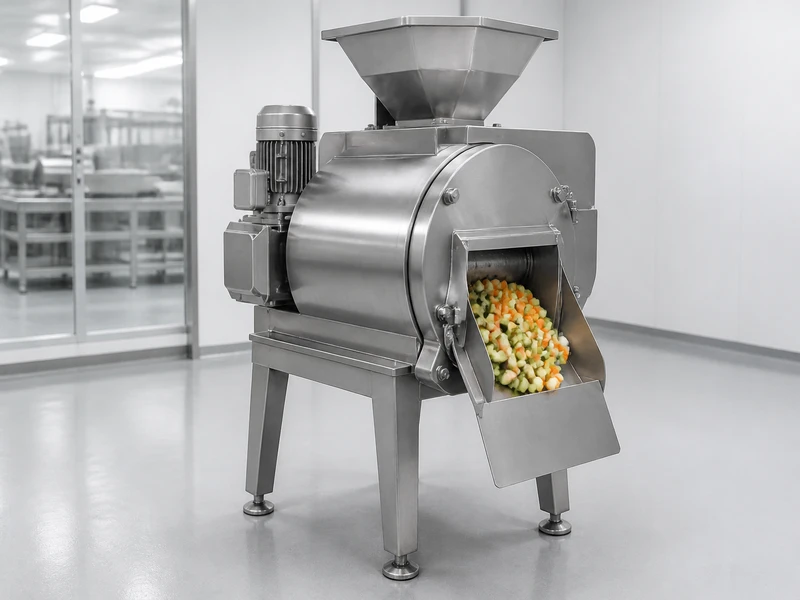
Dull cutting tools crush and rupture cell walls instead of creating clean planar shears. Crushed cells leak intracellular fluids, releasing sugars and enzymes that fuel rapid microbial proliferation and browning. HADOF precision cutters utilize ultra-hardened SUS440C stainless rotary blades sharpened to a microscopic radius of less than 0.02mm, reducing cellular cell-crush rates by over 75% compared to conventional stamped blades.
Q2: Why is chilled wash water (0–4°C) essential during the washing stage?
Water temperature is the single most critical environmental parameter in ready-to-eat salad operations. Chilled washing water accomplishes two vital goals simultaneously:
- Thermal Core Shock: Rapidly removes field heat and respiration heat generated during harvesting and mechanical cutting.
- Enzyme Inactivation: PPO reaction kinetics drop dramatically below 5°C, effectively retarding oxidative browning reactions during transit to post-wash spin drying and MAP packaging.
Q3: What chemical-free anti-browning strategies can food processors deploy?
In addition to strict temperature control, industrial processors apply natural food-grade dipping solutions containing ascorbic acid (0.5–1.5%), citric acid (for pH reduction below 3.8), and calcium chloride (0.1–0.3% to cross-link cell wall pectins and preserve crispness). When combined with modified atmosphere packaging (MAP with 3–5% O2 and 5–10% CO2), fresh-cut apple and potato slices achieve an uncompromised shelf life of 12 to 14 days under cold chain logistics.